


The pharmaceutical capsule industry demonstrates significant economies of scale, with market leaders leveraging their operational size to create formidable cost barriers for new entrants. This analysis examines the structural advantages that enable established manufacturers to maintain pricing power across multiple production facets.
Bulk Material Procurement Advantages
1. Volume Discount Structures
Leading producers of empty capsule 00 products typically secure 15-20% lower material costs through:
- Multi-year gelatin purchase agreements exceeding 10,000 metric tons annually
- Commodity hedging strategies for key inputs like HPMC vegetable empty capsule polymers
- Vertical integration with raw material suppliers
The halal empty gelatin capsule segment illustrates this dynamic vividly:
| Company Size | Annual Gelatin Purchase | Price per kg | Contract Terms |
| Market Leader | 12,000 tons | $18.50 | 5-year fixed pricing |
| Mid-Sized | 800 tons | $21.75 | Quarterly adjustments |
| New Entrant | 50 tons | $24.90 | Spot market only |
2. Specialty Material Sourcing
For advanced formulations like enteric coating vegetable empty capsule size 00, leaders benefit from:
- Dedicated production lines for cellulose derivatives
- Proprietary polymer blending technologies
- Strategic reserves of kosher/halal certified ingredients
Production Scale Efficiencies
Advanced Manufacturing Economics
Tier-1 capsule manufacturers achieve dominant cost positions through:
A. Automated Production Lines
- 1,200-1,500 capsules/minute output for standard gelatin size 00 empty capsule
- 92-95% equipment utilization rates
- <0.5% defect ratios across continuous operations
B. Comparative Cost Structures
| Cost Factor | Industry Leader | New Entrant | Advantage |
| Labor Cost | $0.08/1000 caps | $1.20/1000 caps | 15x lower |
| Energy Use | 0.15kWh/1000 | 0.45kWh/1000 | 67% reduction |
| Equipment Depreciation | $0.03/1000 | $0.27/1000 | 9x advantage |
Market Entry Barriers
The capital requirements for competitive production create formidable obstacles:
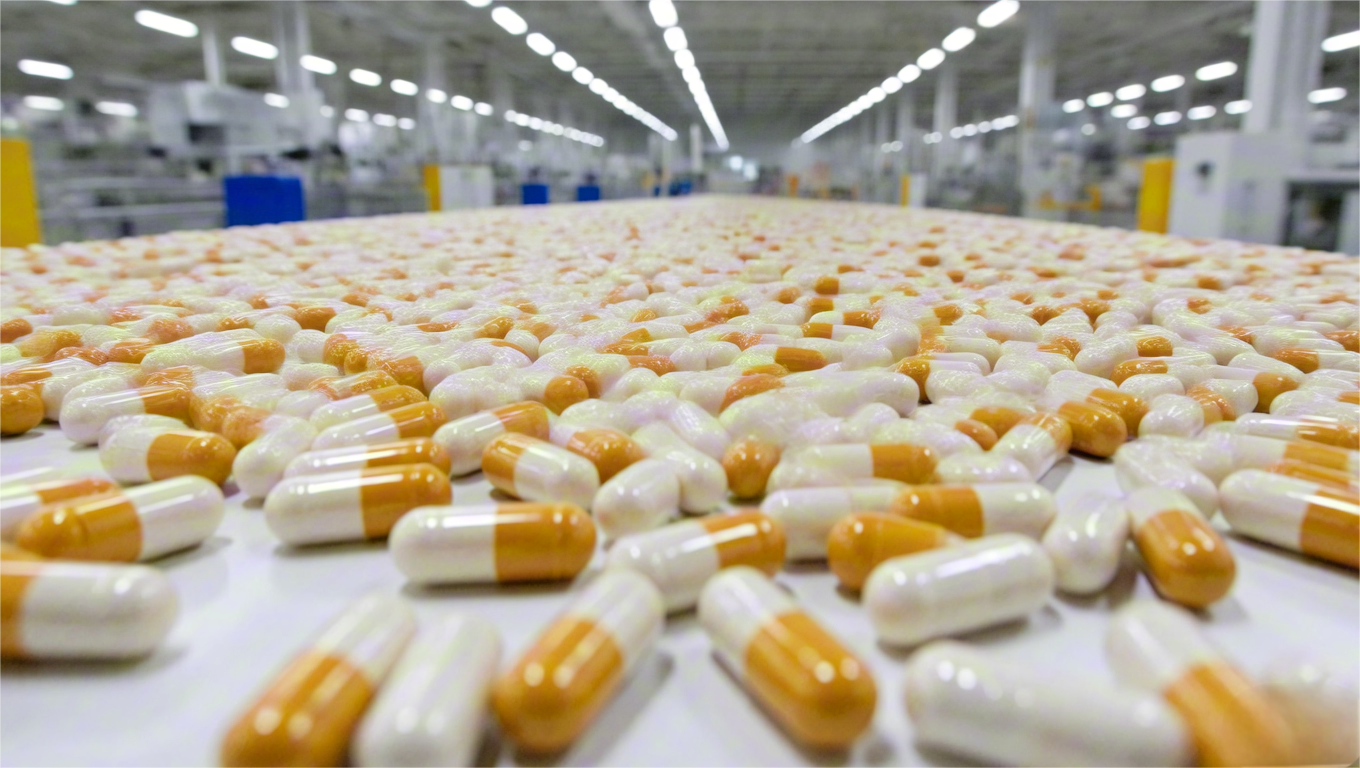
Initial Investment Requirements
- $25-40M for baseline vegetable empty capsules production
- $8-12M annually for R&D and regulatory compliance
- 3-5 year ROI timelines even with optimal execution
Key Infrastructure Costs
| Facility Compoment | Specification | Cost Estimate |
| Clean Rooms | ISO Class 8 | $4.2M |
| Coating Systems | Enteric/DR | $6.8M |
| Quality Control Labs | HPLC/GC-MS | $1.5M |
Strategic Implications
The compounding effects of these advantages manifest in:
- 35-45% lower unit costs for hard empty gelatin capsules size 00
- Ability to sustain 18-24 month price wars if needed
- Continuous reinvestment cycles that reinforce market position
FAQ: Cost Structure Questions
Q: How do capsule sizes affect production economics?
A: While empty capsule shell size 00 represents the most efficient production scale, smaller sizes like gelatin size 1 empty capsule command 12-15% price premiums due to lower throughput.
Q: What minimum order quantities create buyer leverage?
A: Suppliers typically offer tiered pricing with 10-15% discounts kicking in at 50+ metric ton commitments for standard pharmaceutical gelatin veggie capsules empty.
Q: How do certification requirements impact costs?
A: Specialty products like halal certificated vegetable empty capsules incur 8-12% cost premiums due to segregated production lines and third-party auditing requirements.
The capsule industry's cost structure heavily favors established participants through these interconnected advantages, creating durable barriers for potential new market entrants. This reality is particularly evident in specialty segments like enteric coating vegetable empty capsule production where technical and regulatory hurdles compound the financial challenges.