

The Fragile Capsule Supply Ecosystem
The pharmaceutical industry's reliance on third-party capsule suppliers has created systemic vulnerabilities. Market disruptions occur routinely during:
- Raw material shortages affecting gelatin size 00 empty capsule production
- Seasonal demand surges for cold/flu medications
- New drug launches requiring specialty formats like enteric coating vegetable empty capsule
These instability factors force manufacturers to:
- Constantly recalibrate production schedules
- Absorb 40-60% cost premiums for emergency orders
- Maintain excessive safety stock inventories
Strategic Backward Integration Initiatives
Capability Development Approach
Forward-thinking pharma companies are addressing supply chain risks through:
A. Dedicated Research Units
Cross-functional teams analyzing:
- Empty capsule shell size 00 production economics
- Alternate material sourcing (HPMC, pullulan)
- Regional manufacturing cost differentials
B. Tiered Implementation Strategy
| Phase | Duration | Key Activities | Investment |
| Pilot | 12-18mo | Small-scale halal empty gelatin capsule line | $8-12M |
| Scaling | 24-36mo | Full commerical production | $25-40M |
| Optimization | Ongoing | Continuous process improvement | 5-7% of revenue |

Quality Benchmarking Framework
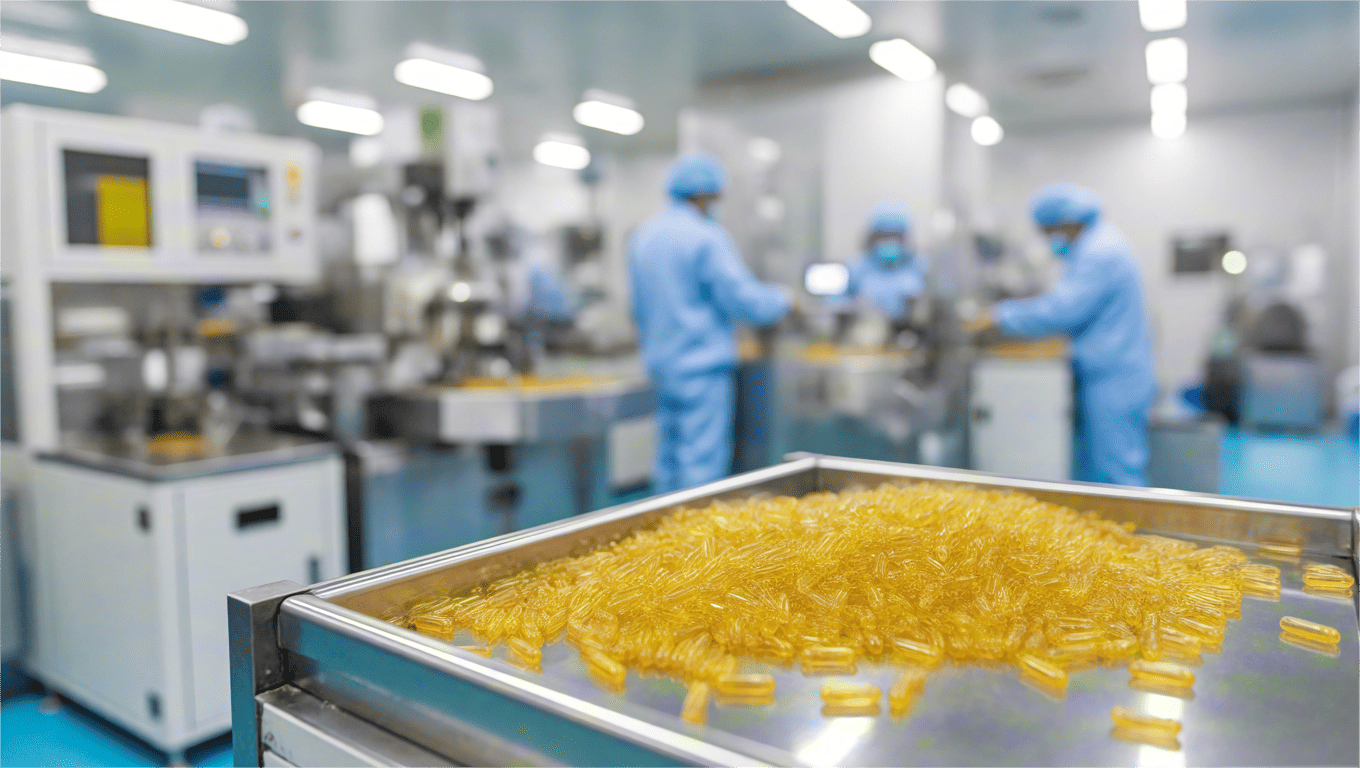
Internal production enables stricter controls than commercial suppliers:
- Disintegration time variance <±3% for HPMC vegetable empty capsule
- Moisture content thresholds 30% tighter than USP
- Microbial limits 50% stricter than industry norms
Market Impact of Vertical Integration
Price Pressure Dynamics
Pharma companies leverage in-house capabilities to:
- Demand 25-35% price reductions from external suppliers
- Negotiate cost-plus pricing models rather than market rates
- Eliminate minimum order quantities for specialty products
Service Level Expectations
Integrated manufacturers require suppliers to meet:
- 72-hour turnaround for hard empty gelatin capsules size 00
- 24/7 technical support teams
- Full material traceability to raw ingredient sources
Operational Considerations
Implementation Challenges
| Category | Challenge | Mitigation Strategy |
| Regulatory | Dual GMP compliance | Dedicated quality systems |
| Technical | Staff expertise gap | Phase training programs |
| Financial | Working capital strain | Inventory financing solutions |
Capacity Planning Matrix
| Product Type | Annual Demand | Recommended Capacity |
| Standard gelatin | 2B units | 3B unit capacity |
| Enteric coated | 500M units | 750M unit buffer |
| Halal/kosher | 300M units | 400M unit capability |
FAQ: Vertical Integration Essentials
Q: What minimum production scale makes backward integration viable?
A: Economies typically materialize at 1.5B+ capsule annual demand, with vegetarian empty capsule lines requiring 20-30% higher thresholds.
Q: How do lead times compare between internal and external supply?
A: Internal production of gelatin size 1 empty capsule demonstrates 12-15 day advantage over external suppliers' 30-45 day cycles.
Q: What certification complexities arise with internal production?
A: Halal certificated vegetable empty capsules require separate production scheduling and third-party audits adding 18-20% overhead.
This strategic shift enables pharma leaders to simultaneously improve supply security while reshaping competitive dynamics in the capsule supply market. The trend particularly impacts specialized segments like enteric coating vegetable empty capsule size 00 production where technical barriers traditionally limited competition.