

The global demand for sustainable pharmaceutical and nutraceutical packaging solutions continues to surge, driven by heightened consumer awareness of environmental responsibility and health-conscious choices. Empty capsule manufacturers are strategically aligning their operations to address these evolving priorities through advanced R&D, refined market insights, and performance-driven product innovations. Below, we explore key initiatives shaping the future of eco-friendly capsule production, with a focus on specialized offerings such as Enteric Coating Vegetable Empty Capsule Size 00, Halal Empty Capsule Size 00, and HPMC Vegetable Empty Capsules.
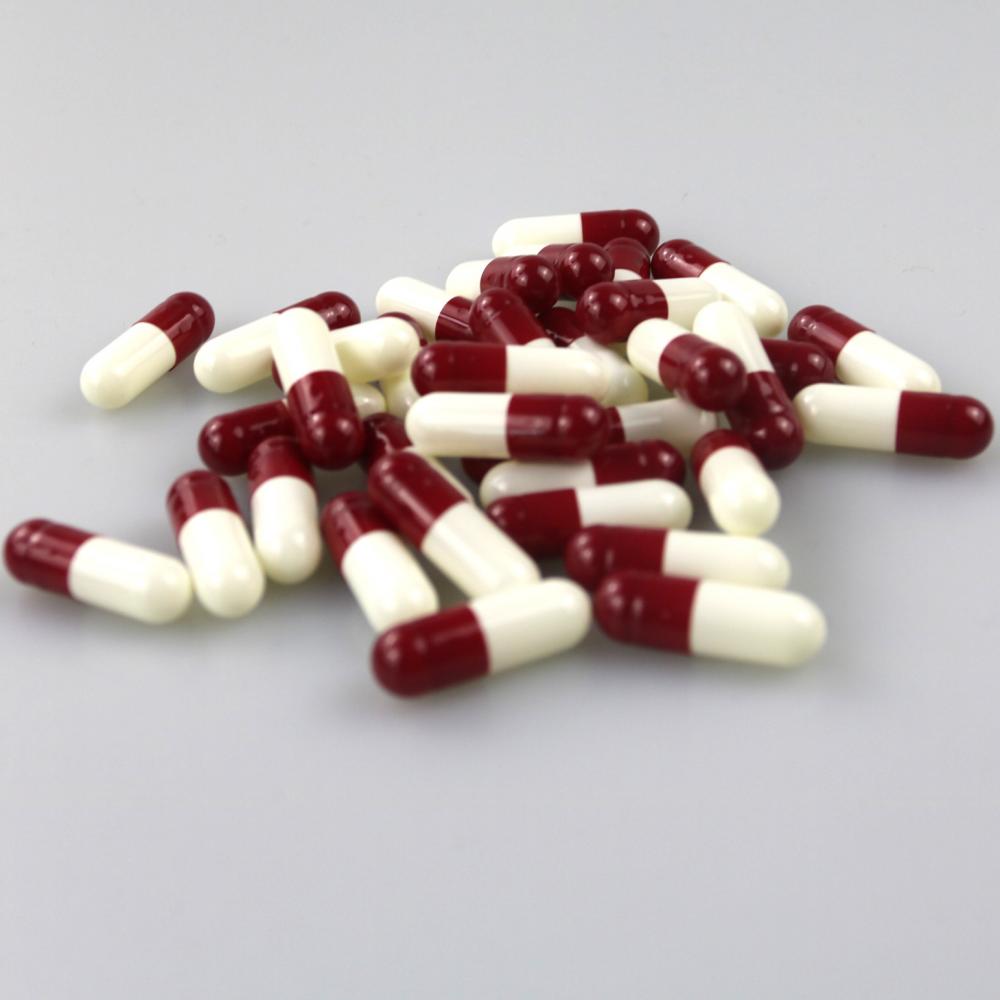
1. Strategic R&D Investment and Cross-Sector Collaboration
Advancing Material Science for Sustainability
Progressive manufacturers are redirecting resources toward the development of plant-based and marine-derived materials to replace traditional gelatin. Investments in Hydroxypropyl Methylcellulose (HPMC) Vegetable Empty Capsules exemplify this shift, as HPMC offers superior biocompatibility, vegan compliance, and controlled-release properties. By prioritizing raw material innovation—such as seaweed polysaccharides or modified starches—companies create capsules that balance functionality with environmental responsibility.
Collaborations with academia further expedite breakthroughs. For instance, partnerships focused on Enteric Coating Vegetable Empty Capsule Size 00 leverage university expertise in biomaterial science to refine pH-sensitive coatings. These collaborations ensure rapid scalability from lab trials to industrial production, enabling manufacturers to meet regulatory standards while delivering capsules tailored for targeted drug delivery systems.
2. Precision-Driven Market Intelligence
Aligning Offerings with Consumer Values
Understanding niche market segments is critical. Demand for Halal Empty Capsule Size 00 reflects growing requirements from Muslim-majority regions and halal-certified pharmaceutical markets. Manufacturers addressing this need ensure raw materials comply with Islamic dietary laws, utilizing bovine or marine gelatin substitutes certified by recognized halal authorities. Similarly, vegetarians and vegans drive demand for Vegetarian Empty Capsules made from HPMC or starch, free from animal-derived components.
Trend analysis reveals rising interest in multi-functional capsules. For example, Enteric Coating Vegetable Empty Capsules cater to patients requiring delayed-release formulations, while Starch Empty Hard Capsules appeal to brands emphasizing biodegradability. Real-time data from social media and surveys helps manufacturers prioritize features like allergen-free compositions or customizable sizes (e.g., Size 00 to Size 4), ensuring alignment with diverse therapeutic needs.
3. Performance Optimization and Regulatory Compliance
Durability, Safety, and Environmental Impact
Next-generation capsules must satisfy dual criteria: exceptional performance and eco-friendliness. HPMC Vegetable Empty Capsules exemplify this balance, offering mechanical strength comparable to gelatin while being 100% plant-based. Enhanced biodegradability is achieved through materials like polylactic acid (PLA), which decompose into harmless byproducts within 12–24 months under industrial composting conditions.
Stringent validation protocols remain non-negotiable. Capsules undergo rigorous testing for dissolution profiles, stability under varying humidity, and resistance to cross-linking. For Enteric Coating Vegetable Empty Capsule Size 00, accelerated disintegration tests in simulated intestinal fluids verify pH-dependent release accuracy. Concurrently, Halal Certificated Vegetable Empty Capsules undergo第三方 audits to confirm compliance with Islamic standards, ensuring broad market acceptance.
4. Targeted Market Positioning and Education
Building Trust Through Transparency
Differentiation in a competitive market requires clear communication of product benefits. Brands emphasize certifications (e.g., halal, vegan, or GMP) prominently on packaging and digital platforms. Interactive workshops for healthcare professionals highlight the advantages of HPMC Capsules Vegan Empty in reducing allergic reactions, while consumer-facing campaigns use infographics to contrast the carbon footprint of plant-based capsules versus traditional gelatin.
FAQ Section
Q1: What distinguishes Enteric Coating Vegetable Empty Capsules from standard capsules?
A1: Enteric-coated capsules feature pH-sensitive polymers that resist dissolution in gastric acid, ensuring drug release occurs in the intestine. Vegetable-based coatings eliminate animal derivatives, aligning with vegan and religious dietary requirements.
Q2: Why choose Halal Empty Capsule Size 00 for pharmaceutical products?
A2: Halal certification guarantees compliance with Islamic law, broadening market access in Muslim-majority regions. Size 00 is versatile for both powdered and semi-solid formulations, offering universal compatibility.
Q3: How do HPMC Vegetable Empty Capsules support sustainability?
A3: Derived from plant cellulose, HPMC capsules are biodegradable, non-GMO, and free from synthetic additives. Their production generates 30% fewer CO2 emissions compared to gelatin-based alternatives.
Q4: Are starch-based capsules suitable for moisture-sensitive formulations?
A4: Modern Starch Hard Empty Capsules incorporate moisture-barrier technologies, making them ideal for hygroscopic ingredients while retaining rapid dissolution properties.
By integrating innovation with ethical manufacturing practices, the empty capsule industry sets a benchmark for sustainable healthcare solutions. From Enteric Coating Vegetable Empty Capsule Size 00 to Halal Empty Capsule Size 00, these advancements not only meet market demands but also redefine standards for safety, inclusivity, and planetary stewardship.