

The pharmaceutical and nutraceutical industries increasingly prioritize capsule quality, particularly as demand grows for specialized products like Halal Empty Capsule Size 00, Enteric Coating Vegetable Empty Capsule Size 0, and HPMC Vegetable Empty Capsules. Ensuring optimal capsule performance requires a multifaceted approach, combining rigorous material standards, precision manufacturing, and robust quality control systems. Below, we outline strategies to elevate capsule quality while addressing evolving market needs.
1. Rigorous Raw Material Management
Sourcing and Compliance Excellence
High-quality capsules begin with meticulous raw material selection. Suppliers of pharmaceutical-grade gelatin and plant-based alternatives, such as Starch Empty Hard Capsules or HPMC Shell Empty Vegan Capsules, must undergo stringent evaluations. Audits assess compliance with certifications (e.g., halal, vegan, GMP) and verify safe sourcing practices. For instance, gelatin suppliers must provide documentation confirming disease-free animal origins, while plant starch vendors must demonstrate pesticide-free cultivation and processing methods.
Advanced analytical tools, like atomic absorption spectroscopy, are critical for detecting trace contaminants. Manufacturers of Halal Certificated Vegetable Empty Capsules prioritize these tests to ensure adherence to Islamic dietary laws, while producers of Enteric Coating Vegetable Empty Capsules validate coating materials for pH responsiveness and allergen-free composition.
2. Precision-Driven Manufacturing Processes
Automation and Process Standardization
Modern capsule production integrates automation to minimize human error. High-speed molding machines ensure uniformity across capsule sizes—from Size 00 Empty Capsule Shell to Size 4 Empty Pill Capsule Shell—by precisely controlling weight (±1% tolerance) and dimensional accuracy. Intelligent monitoring systems track real-time variables such as temperature (20–25°C), humidity (40–60% RH), and drying parameters to prevent defects like brittleness or incomplete sealing.
Standardized protocols are vital for consistency. SOPs (Standard Operating Procedures) govern every stage, including material pretreatment, gel preparation, and dip-coating for Enteric Coating Vegetable Empty Capsule Size 3. These guidelines ensure reproducibility, especially when scaling up production for high-demand items like Vegetarian Empty Capsules or Medical Clear Empty Hard Gelatin Capsules.
3. Workforce Training and Quality Culture
Expertise and Accountability
Skilled personnel are essential for maintaining quality benchmarks. Employees handling Halal Empty Gelatin Capsules or HPMC Capsules Vegan Empty receive specialized training in halal compliance, vegan certification standards, and equipment calibration. Regular workshops reinforce knowledge of pharmacopeia guidelines, such as USP-NF dissolution criteria for Enteric Coating Vegetable Empty Capsule Size 2, ensuring alignment with regulatory expectations.
Quality-centric incentives further drive accountability. Performance metrics tied to defect rates or audit outcomes motivate teams to uphold standards for products like Color Gelatin Empty Capsules or Hard Empty Gelatin Capsule Size 00.
4. Enhanced Quality Assurance Systems
Real-Time Monitoring and Traceability
Inline inspection technologies, such as AI-powered vision systems, detect defects like wall thickness irregularities or surface imperfections in Starch Clear Pill Capsules Empty or Mixed Green Empty Capsules. Statistical sampling plans for finished products ensure compliance with pharmacopeia specifications, while retained samples undergo accelerated stability testing to predict shelf-life performance under varied conditions.
For Hard Empty Gelatin Capsules Size 00, such testing includes thermal cycling (e.g., 25°C/60% RH to 40°C/75% RH) to validate structural integrity. Real-time data logging also supports rapid root-cause analysis during deviations, minimizing batch rejections.
5. Environmental Control for Optimal Stability
Cleanroom and Climate Management
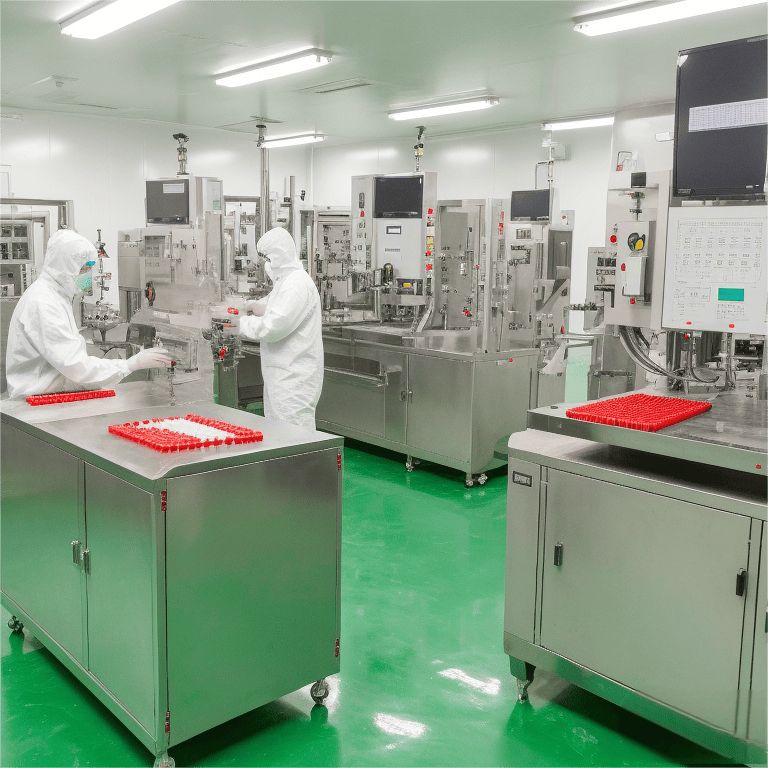
Production environments are critical for hygroscopic materials like gelatin or HPMC. Cleanrooms (ISO Class 7 or higher) maintain low particulate counts (<100,000 particles/m³) to prevent contamination in Medical Empty Vegan Capsules. Climate control systems stabilize conditions during sensitive phases:
Drying phases: 25–30°C with 30–40% RH to prevent capsule warping.
Dip-coating for Enteric capsules: Controlled humidity (<50% RH) to ensure uniform polymer application.
Positive air pressure systems further safeguard against external pollutants, crucial for Halal Shell Empty Gelatin Capsules or Vegetable Gelatin Empty Capsules.
FAQ Section
Q1: Why is halal certification important for empty capsules?
A1: Halal certification ensures compliance with Islamic dietary laws, expanding market access in Muslim-majority regions. Products like Halal Empty Capsule Size 00 guarantee no cross-contamination with non-halal substances.
Q2: How do enteric-coated capsules differ from standard capsules?
A2: Enteric Coating Vegetable Empty Capsules resist gastric acid dissolution, releasing contents in the intestine. This is ideal for acid-sensitive drugs or targeted nutrient delivery.
Q3: What advantages do HPMC capsules offer over gelatin?
A3: HPMC Vegetable Empty Capsules are plant-based, allergen-free, and suitable for vegan formulations. They also exhibit superior moisture resistance, ideal for hygroscopic ingredients.
Q4: How are capsule sizes standardized?
A4: Capsule sizes (e.g., Size 00 to Size 4) correspond to fill capacities. Size 00 holds ~750 mg, whereas Size 4 holds ~120 mg, enabling precise dosing across applications.
Q5: What ensures the stability of starch-based capsules?
A5: Advanced Starch Hard Empty Capsules incorporate anti-humectants and barrier coatings, maintaining integrity even in high-moisture environments.
By integrating stringent quality controls, technological innovation, and market-specific adaptations, manufacturers can deliver capsules—from Empty Capsule Shell Size 00 to Vegetarians Size 0 Empty Capsule—that meet the highest standards of safety, efficacy, and ethical compliance. This approach not only strengthens brand credibility but also positions companies at the forefront of a rapidly evolving industry.