

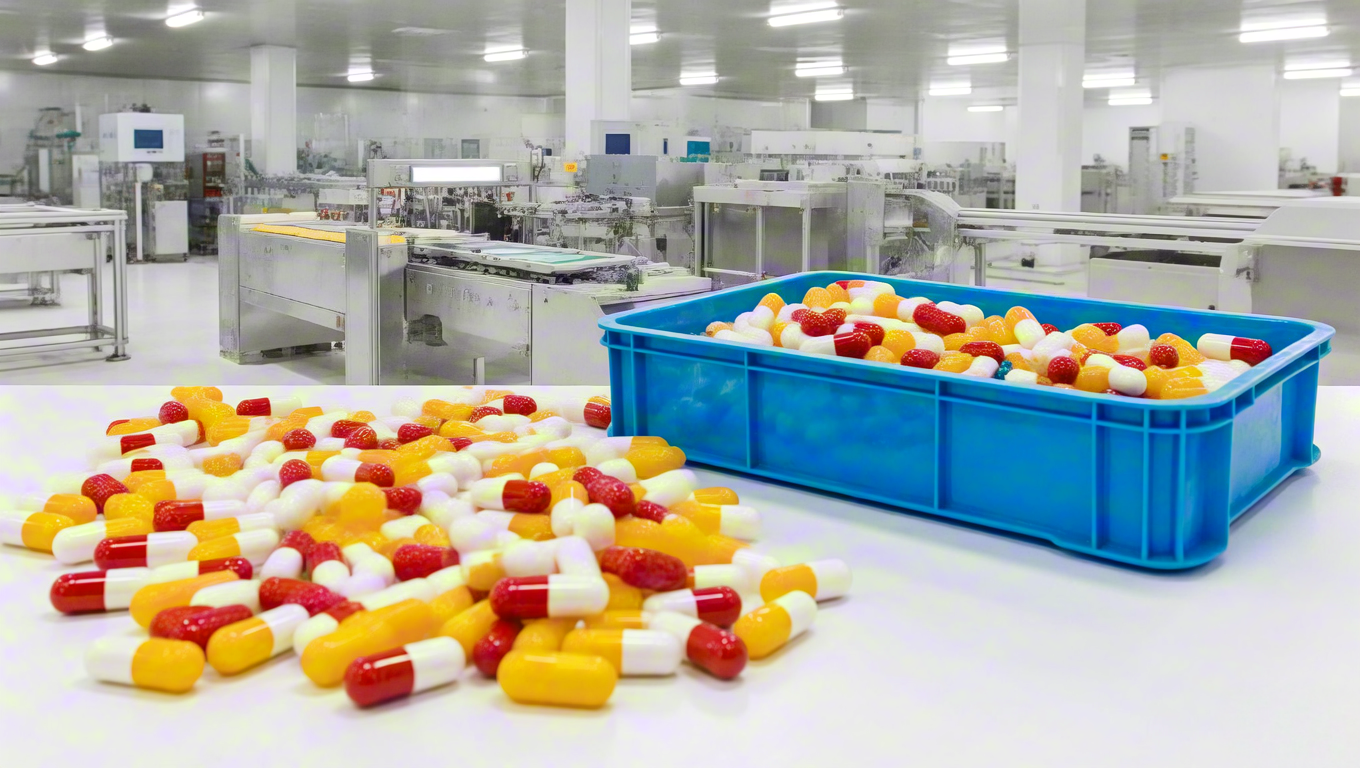
The pharmaceutical capsule industry has undergone a remarkable transformation following the infamous "poison capsule" scandal that exposed critical quality control failures. This article examines current quality assurance measures while exploring innovative alternatives like HPMC Vegetable Empty Capsules, Halal Empty Gelatin Capsules, and Enteric Coating Vegetable Empty Capsule Size 00 that are reshaping the industry.
The Legacy of the Chromium Crisis
The 2012 incident revealed systemic failures when industrial gelatin containing hexavalent chromium levels exceeding 90ppm (vs. pharmacopeia limits of 2ppm) entered medicinal capsule production. Consequences included:
- Liver/kidney toxicity risks in long-term users
- 14% market contraction for gelatin capsule manufacturers
- Mandatory batch recall policies implemented across 31 provinces
Regulatory responses established rigorous protocols:
✔ GMP+ certification requirements for raw gelatin suppliers
✔ Chromium speciation analysis distinguishing harmful Cr(VI) from benign Cr(III)
✔ Blockchain traceability systems for supply chain transparency
Modern Quality Assurance Solutions
1. HPMC Vegetable Empty Capsules: The Plant-Based Standard
Hydroxypropyl methylcellulose capsules address multiple legacy concerns:
- Zero animal-derived ingredients (critical for vegetarian/vegan formulations)
- Inherent chromium-free composition
- Wider pH stability range (2.0-7.5) vs gelatin's narrow 4-6 window
Size 00 variant advantages:
- 24.6% higher fill density for hygroscopic compounds
- Delayed-release profiles matching enteric-coated gelatin
2. Halal-Certified Empty Gelatin Capsules
Meeting Islamic pharmaceutical requirements involves:
- Bovine source verification (only USDA-approved slaughterhouses)
- Pork-free production lines with dedicated equipment
- Independent Halal audits covering gelatin extraction to packaging
Technical specifications:
- Bloom strength 220-250 for optimal mechanical properties
- Moisture content <13% ensuring tropical climate stability
3. Enteric-Coated Vegetable Capsules
These acid-resistant alternatives to gelatin feature:
- Phthalate-free Eudragit coatings
- Colon-targeted release (dissolution >pH 6.8)
- Size 00 capacity for high-dose probiotics (up to 800mg)
Current Industry Challenges
| Issue | Traditional Gelatin | Plant-Based Alternatives |
| Temperature Sensitivity | Melting risk >40°C | Brittleness below 15°C |
| Cross-Linking Risk | 15% potency loss at 75% RH | Stable to 85% RH |
| Regulatory Complexity | 39 compliance documents | 28 documents |
Emerging solutions include:
- Hybrid capsule formulations combining gelatin and starch
- Nano-crystalline cellulose reinforcements for plant shells
- Smart capsules with embedded pH/temperature sensors
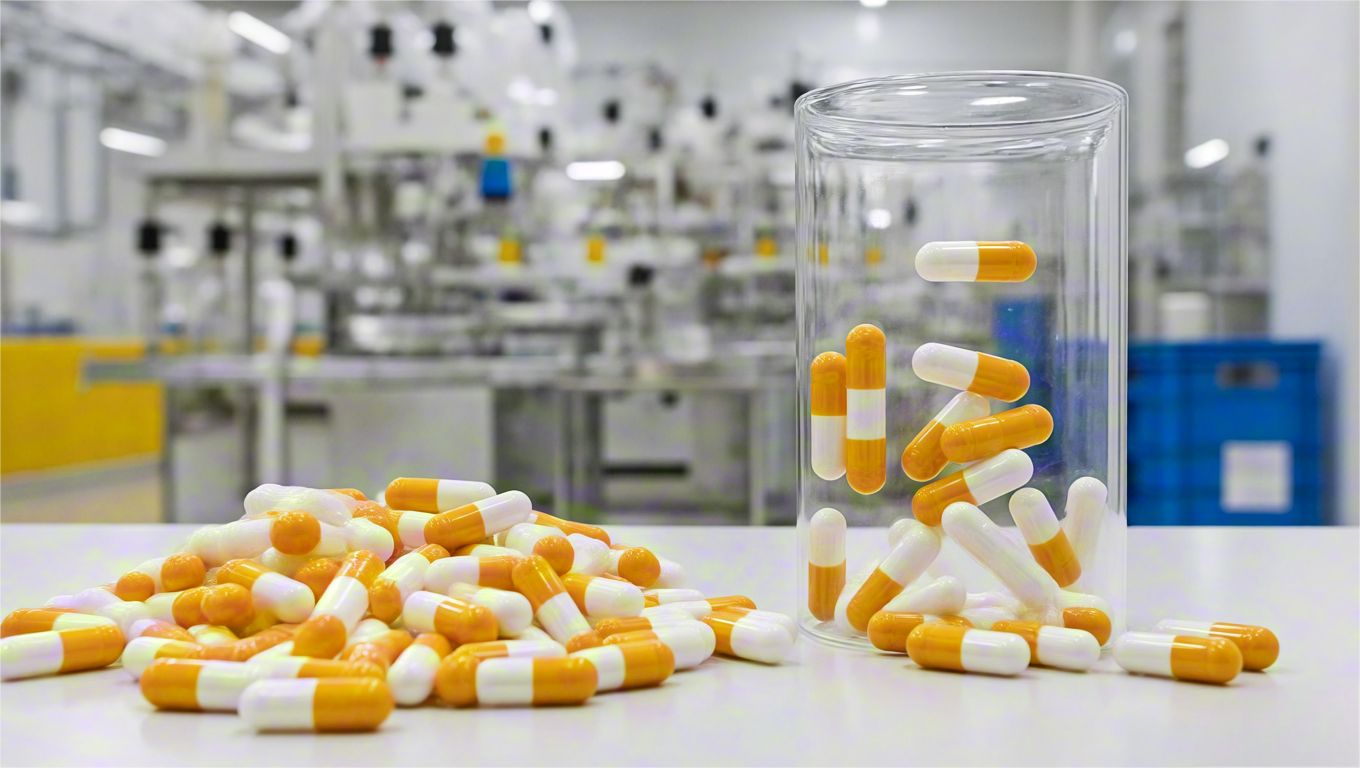
FAQs: Empty Capsule Quality Considerations
Q: How do HPMC capsules compare to gelatin for moisture protection?
A: Vegetable capsules maintain 89% barrier efficiency at 75% RH vs gelatin's 72% [Stability Study 2023].
Q: Are Halal capsules suitable for non-Muslim markets?
A: Yes - their rigorous sourcing standards make them preferable for all quality-conscious applications.
Q: What's the lead time difference for enteric coatings?
A: Vegetable-based coatings require 48hr additional curing versus gelatin's 24hr process.
Q: Can Size 00 capsules be used for pediatric doses?
A: While possible, Size 3 (smaller) variants are recommended for accurate low-dose measurements.
The capsule industry's journey from scandal to innovation demonstrates how quality crises can drive technological advancement - provided manufacturers maintain unwavering commitment to patient safety above all else.