

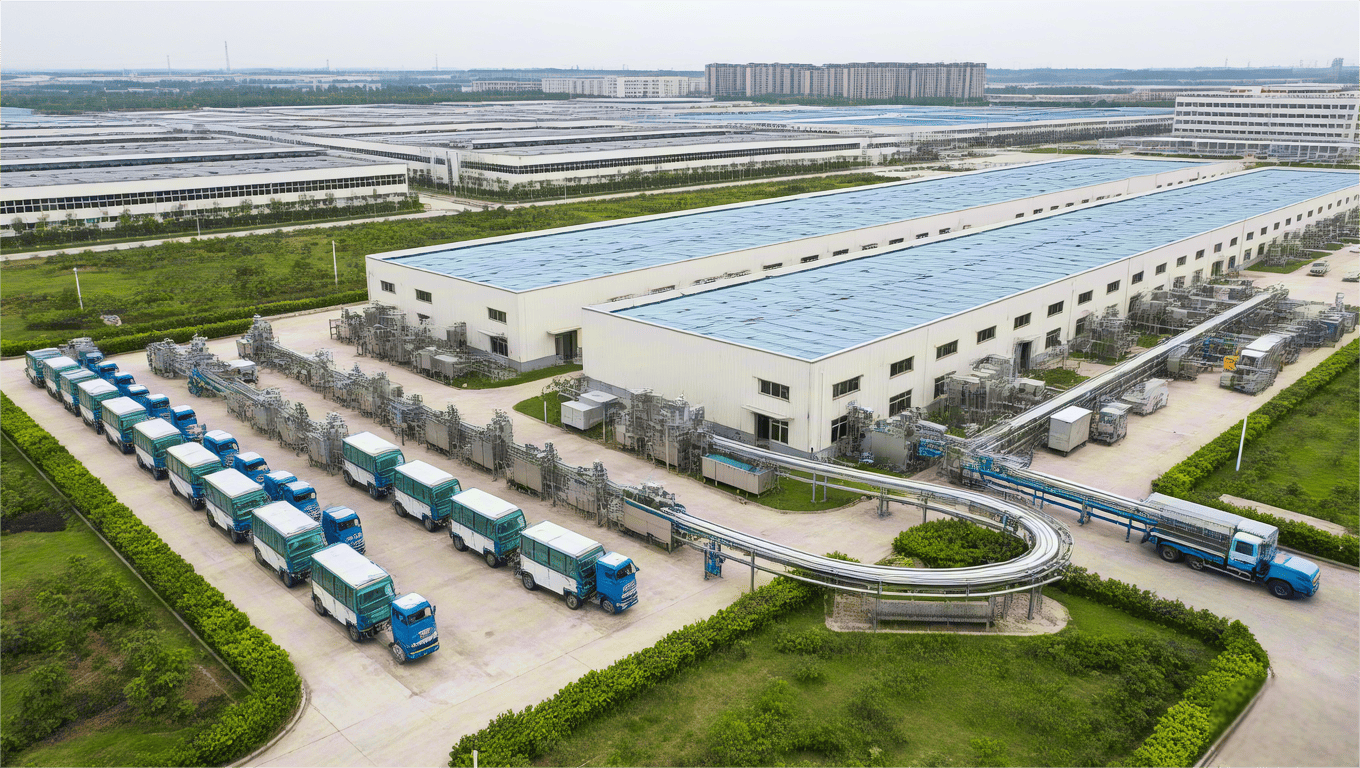
The global pharmaceutical capsule industry is undergoing an unprecedented sustainability transformation as manufacturers adopt innovative carbon reduction practices. Leading companies are now combining renewable energy solutions with eco-friendly capsule materials like HPMC Vegetable Empty Capsules, Halal-Certified Empty Gelatin Capsules, and Enteric Coating Vegetable Empty Capsule Size 00 to create a greener supply chain.
Energy Transition in Capsule Production
Modern factories are implementing comprehensive decarbonization strategies:
1. Renewable Energy Integration
- Solar panel arrays covering 85% of factory rooftops can generate up to 40% of production electricity needs
- Biomass cogeneration systems using agricultural waste achieve 90% thermal efficiency
- Smart microgrids balance energy loads between capsule drying and molding operations
2. Process Optimization
- Vacuum drying technology reduces energy consumption by 35% compared to conventional methods
- Closed-loop water systems recycle 90% of processing water through nano-filtration
- Heat recovery networks capture waste thermal energy for capsule sterilization
Sustainable Capsule Innovations
| Material Type | Carbon Footprint Reduction | Market Adoption Rate |
| HPMC Vegetable | 68% vs gelatin | 22% annual growth |
| Halal Gelatin | 41% (ethical sourcing) | 15% in Muslim markets |
| Starch-Based | 73% (plant origin) | Pilot stage |
1. HPMC Vegetable Empty Capsules
- Size 00 variant achieves 24% material savings through optimized wall thickness
- Marine biodegradable (OECD 306 certified)
- Colorless vegetable capsules eliminate synthetic dyes
2. Halal Empty Gelatin Capsules Size 00
- Bovine traceability systems monitor CO₂ emissions across supply chains
- Solar-powered gelatin extraction reduces Scope 2 emissions by 28%
- ISO 14001 certified production facilities
3. Enteric-Coated Vegetable Capsules
- pH-responsive polymers derived from citrus waste
- Size 00 format compatible with automatic filling machines
- Carbon-neutral shipping programs available
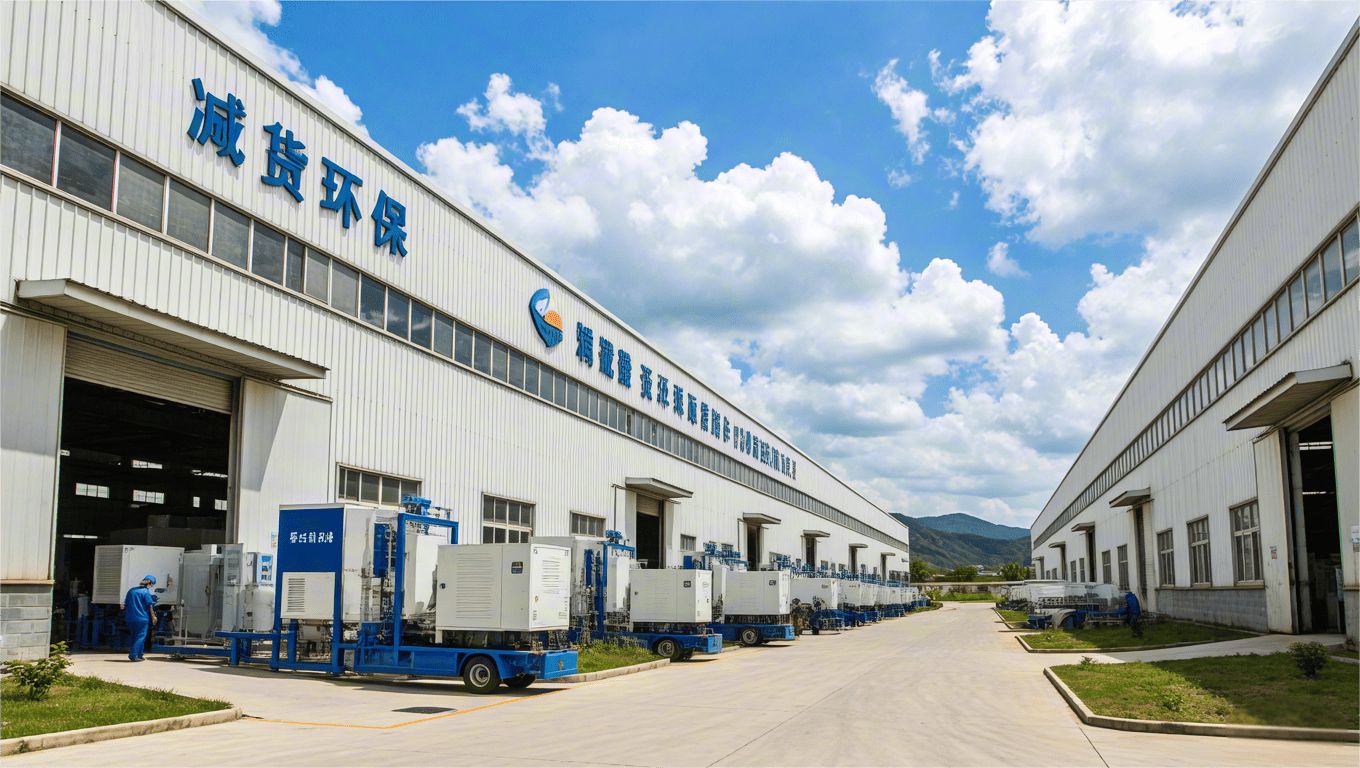
Operational Best Practices
Waste Reduction
- Zero-landfill policies for capsule trimming waste
- 98% solvent recovery in coating processes
Smart Manufacturing
- IoT sensors optimize drying parameters in real-time
- AI-powered visual inspection reduces material waste
Green Logistics
- Biodegradable bulk packaging for Empty Capsule Shell Size 00
- Rail transport preferred for continental distribution
FAQ: Sustainable Capsule Production
Q: How does HPMC capsule production compare energy-wise to gelatin?
A: HPMC requires 31% less thermal energy but has longer curing times.
Q: Are Halal-certified capsules more environmentally friendly?
A: Yes, their strict supply chain controls typically result in 15-20% lower lifecycle emissions.
Q: Can enteric coatings be applied to starch-based capsules?
A: New plant-based EUDRAGIT alternatives now enable this for Size 00-3 formats.
Q: What's the ROI timeline for solar panel installations?
A: Typical payback period is 3.7 years with current energy prices.
Q: Do sustainable capsules meet pharmacopeial standards?
A: All major variants now comply with USP/EP dissolution and disintegration requirements.
The industry's green transformation demonstrates that environmental responsibility and pharmaceutical quality can coexist. As technologies mature, expect wider adoption of carbon-negative Size 00 Empty Vegan Capsules and Renewable-Powered Halal Shells across global markets.