

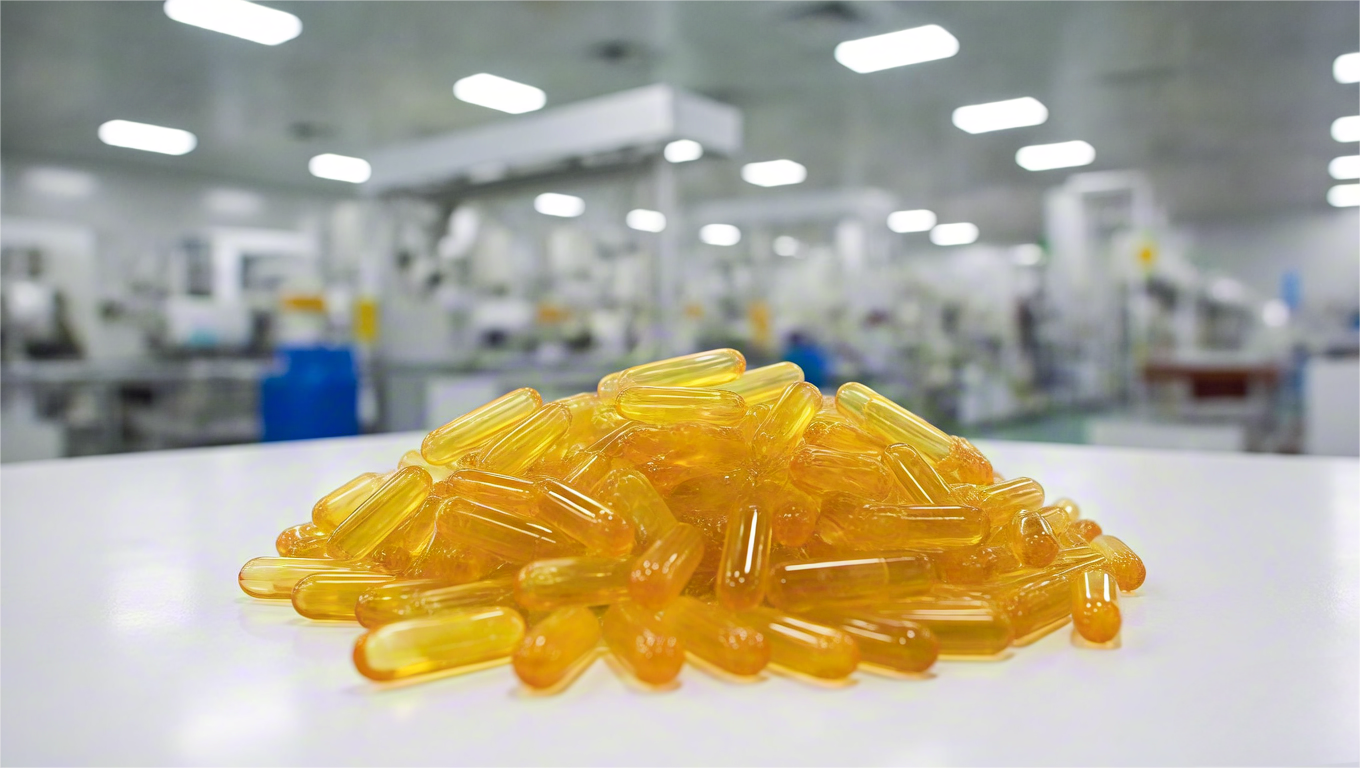
The Global Gelatin Supply Landscape
The capsule manufacturing industry sources gelatin primarily from animal byproducts, with key regional production hubs demonstrating distinct competitive advantages:
Major Production Regions and Capabilities
| Region | Leading Producers | Annual Capacity | Technical Edge |
| Europe | France, Germany | 1.2M metric tons | High-purity pharmaceutical grade |
| North America | USA | 950K metric tons | Automated processing |
| Asia | China, India | 1.8M metric tons | Cost leadership |
Suppliers differentiate themselves across three critical dimensions when providing materials for products like hard empty gelatin capsules size 00:
1. Quality Enhancement
- Advanced purification processes achieving ≤0.5% ash content
- Low-endotoxin variants for injectable-grade medical gelatin empty capsules
2. Cost Optimization
- 15-20% price advantages through integrated abattoir operations
- Just-in-time delivery systems reducing inventory costs
3. Service Specialization
- Custom gelatin blends for color gelatin empty capsules
- Halal/kosher certification programs for halal empty gelatin capsule production
Technical Complexities in HPMC Production
Unlike gelatin's relatively decentralized supply chain, HPMC production for HPMC vegetable empty capsule manufacturing faces significant barriers:
Key Production Challenges
Material Science Requirements
- Precise control of molecular weight (80,000-120,000 Daltons)
- Consistent degree of substitution (1.8-2.0)
- Low particle size variation for enteric coating vegetable empty capsule applications
Regulatory Hurdles
- USP/EP/JP compliance documentation
- 24-month stability studies for pharmaceutical applications
- Audited change control systems
Comparative Supplier Power Analysis
| Parameter | Gelatin Suppliers | HPMC Suppliers | Advantage Ratio |
| Number of Qualified Vendors | 150+ globally | <30 worldwide | 5:1 |
| Minimum Order Quantity | 5 metric tons | 20 metric tons | 4:1 |
| Price Negotiation Flexibility | Medium-High | Very Low | N/A |
| Lead Time Variance | ±7 days | ±21 days | 3:1 |
| Technical Support Availability | High | Limited | N/A |
This supplier concentration creates particular challenges for manufacturers of specialty products like enteric coating vegetable empty capsule size 00, where HPMC quality directly impacts:
- Drug release profiles (delayed vs. sustained)
- Moisture barrier properties
- Machine runnability during encapsulation
Emerging Material Innovations
Alternative plant-derived materials are gaining traction for niche applications:
A. Starch-Based Formulations
- Hydroxypropyl starch empty capsules for basic supplement markets
- 30-40% cost reduction versus HPMC
- Limited to non-critical applications
B. Hybrid Systems
- Gelatin-HPMC blended shells for vegetarian empty capsule products
- Balanced cost-performance profile
- Simplified regulatory pathway versus novel polymers
FAQ: Raw Material Procurement
Q: What quality tests are critical for gelatin in capsule production?
A: For gelatin size 00 empty capsule production, key parameters include bloom strength (220-260g), viscosity (4.0-4.8mPa·s), and microbial limits (<100 CFU/g).
Q: How does HPMC pricing fluctuate versus gelatin?
A: HPMC for HPMC shell empty vegan capsules shows 18-22% annual price volatility compared to gelatin's 8-12%, due to tighter supply.
Q: What minimum order quantities apply to specialty materials?
A: Halal certificated vegetable empty capsules require 10+ ton commitments, while standard gelatin orders start at 5 tons.
The capsule industry's material supply chain presents fundamentally different challenges for animal-derived versus plant-based inputs. While gelatin benefits from diverse sourcing options, HPMC's technical complexity creates supply bottlenecks particularly impacting advanced formulations like enteric coated vegetable capsules. Manufacturers must navigate these distinct landscapes to ensure both supply security and product performance.