

Global Market Performance Metrics
Regional Market Growth Forecast (2023-2030)
| Region | Market Size('23) | Projected('30) | CAGR | Key Drivers |
| North America | $380M | $480M | 3.2% | Generic drug expansion |
| Europe | $290M | $340M | 2.8% | Biosimilar adoption |
| Southeast Asia | $180M | $280M | 6.5% | Local manufacturing growth |
| Latin America | $95M | $150M | 5.8% | Healthcare infrastructure |
Comparative Capsule Specifications
| Parameter | Size 2 | Size 00 | HPMC Size 2 | Enteric Size 2 |
| Volume (ml) | 0.65 | 0.95 | 0.60 | 0.63 |
| Length (mm) | 18.0 | 23.1 | 17.8 | 18.2 |
| Dissolution | ≤30min | ≤45min | ≤35min | >2h (pH<5) |
Technological Advancements in Capsule Formulation
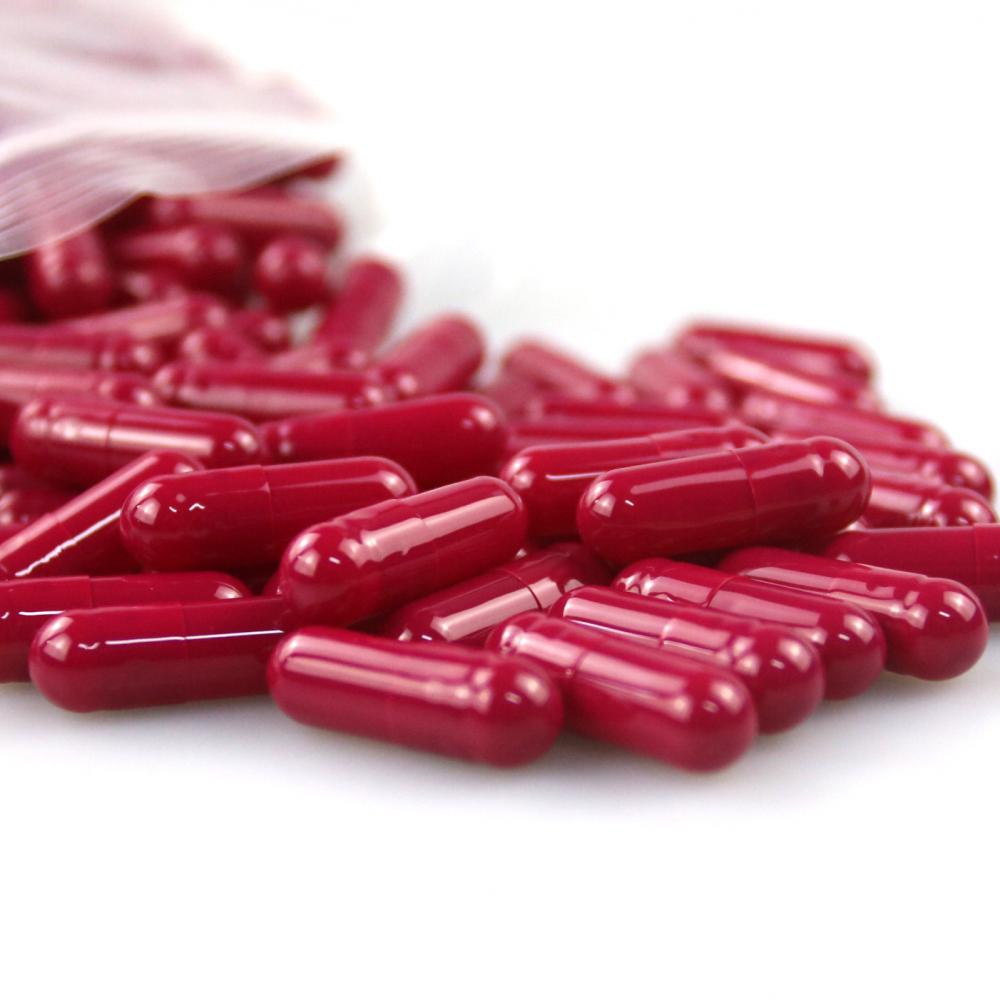
Material Science Innovations
- Thermo-Stable Variants: Maintain structural integrity at 30°C/75%RH for 6+ months
- Enteric Coating Vegetable Empty Capsule Size 2: Achieves targeted ileocecal release with <5% gastric leakage
- Halal Empty Gelatin Capsules: Certified bovine gelatin with full supply chain traceability
Sustainability Breakthroughs
1. COLLAGEN ALTERNATIVES
- Marine-derived gelatin (35% lower carbon footprint)
- Recombinant human collagen (96h full biodegradation)
2. CIRCULAR PRODUCTION
- Closed-loop water recycling systems
- Byproduct utilization (hide→gelatin→fertilizer)
3. ECO-FRIENDLY PACKAGING
- 100% recycled blister materials
- Vegetable-based ink printing
Regulatory Compliance Landscape
Global Standard Comparison
| Requirement | USP 2024 | EP 11.0 | ChP 2025 |
| Heavy Metals | <10ppm | <5ppm | <3ppm |
| Disintegration | ≤30min | ≤45min | ≤25min |
| Microbials | <1000 CFU/g | <500 CFU/g | <200 CFU/g |
Emerging Compliance Challenges
- PFAS phase-out in capsule coatings
- EU's new DEHP restrictions (≤0.1ppm)
- Increased demand for Vegetarian Empty Capsule documentation
Competitive Manufacturing Dynamics
Production Efficiency Benchmarks
| Manufacturer | Capacity (B/yr) | Defect Rate | Lead Time |
| Catalent | 25B | 0.5% | 3 weeks |
| Aenova | 18B | 0.7% | 4 weeks |
| PT Capsulindo | 15B | 1.2% | 2 weeks |
Emerging Market Strategies
- Africa: Local production incentives (tax holidays + tariff waivers)
- Middle East: Preference for Halal Shell Empty Gelatin Capsules with COA
- India: API-capsule bundling for generics
Future Application Frontiers
Precision Medicine Integration
- Micro-Dosing Platforms: Adjustable fill weights (50-500mg)
- Chrono-Release Systems: Pulsatile delivery capsules
- 3D Printed Variants: Patient-specific geometries
Sustainability Commitments
- 2025: 30% marine collagen adoption
- 2027: 100% renewable energy in production
- 2030: Net-zero carbon footprint
FAQ: Size 2 Capsule Applications
Q: How does dissolution compare between gelatin and HPMC versions?
A: Standard gelatin shows 12-20 minute disintegration versus 15-35 minutes for HPMC Empty Vegetarian Capsules, though enteric-coated variants alter this profile significantly.
Q: What's the temperature tolerance during shipping?
A: While Hard Empty Gelatin Capsule products typically withstand -20°C to 40°C, specialty formulations using cross-linked gelatin maintain integrity up to 50°C for limited periods.
Q: Are there vegan alternatives with equivalent dosing precision?
A: Starch Hard Empty Capsule formulations now achieve ±3% fill accuracy, approaching gelatin's ±1.5% benchmark for most applications.
Q: What documentation accompanies Halal-certified products?
A: Halal Empty Gelatin Capsules include certificates from IFANCA or JAKIM, complete slaughterhouse audits, and HPLC gelatin purity reports.
Q: How do regulatory approaches differ for enteric capsules?
A: Enteric Coating Vegetable Empty Capsule Size 2 products require additional USP <724> testing including acid resistance and buffer stage dissolution profiles.
Strategic Recommendations
- Prioritize Size 2 for middle-range dose products (200-600mg)
- Consider enteric versions for gastric-irritant APIs
- Evaluate marine collagen for ESG-conscious markets
- Lock in long-term gelatin contracts amid price volatility
The Size 2 capsule market continues to demonstrate remarkable adaptability, serving as both a workhorse for current pharmaceutical needs and a platform for next-generation drug delivery innovations. Its balanced size profile positions it uniquely between micro-dosing precision and production economics.