


In the world of medicine, capsule preparations are extremely common, and the color and shape of the capsule shell are not just an embellishment on the appearance. In fact, they largely influence the patient's medication experience.
In addition, color can also help patients distinguish drugs with different effects to a certain extent. For patients who need to take multiple drugs at the same time, if the capsule shells are of different colors, they can be quickly identified to avoid confusion about the time and order of taking the medicine, and improve the accuracy of medication. For example, a patient needs to take antihypertensive drugs, hypoglycemic drugs and vitamin supplements every day. If the antihypertensive drug capsule shell is green, the hypoglycemic drug is yellow, and the vitamin supplement is orange, the patient can distinguish them at a glance, which greatly facilitates medication management.
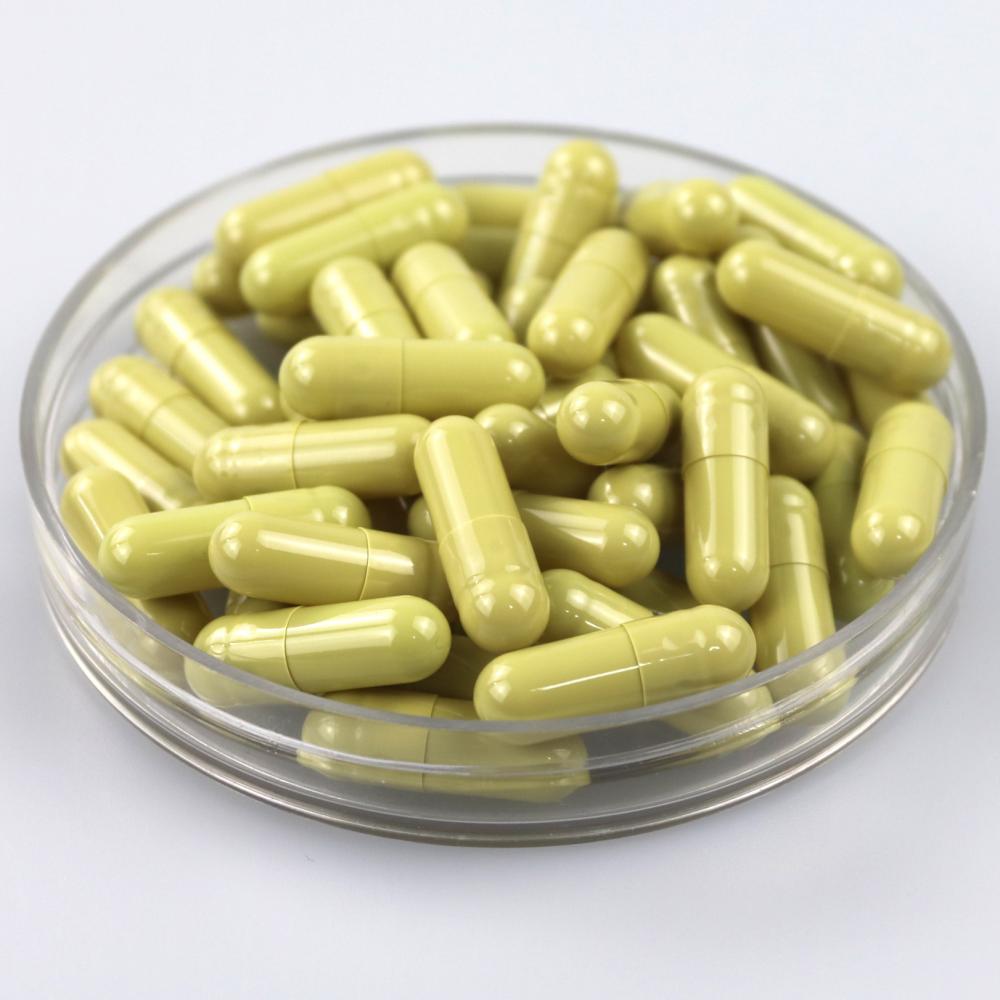
In terms of shape, the design of the capsule shell is also related to the medication experience. Conventional slender capsules conform to the swallowing physiological structure of the human mouth and throat, can pass more smoothly, reduce the foreign body sensation and discomfort during swallowing, and most patients can easily adapt. However, for children, the elderly and patients with dysphagia, capsules of special shapes can play a key role. Some pharmaceutical companies have launched oval capsules with smoother surfaces. This design reduces the friction resistance of the capsule in the throat, making the swallowing process smoother. Others use mini capsules specifically for children's medication needs, so that young children are no longer afraid of taking medicine. For example, a cough and phlegm capsule developed specifically for children is as small as a mung bean, and is combined with fruit-flavored powder, which completely changes children's resistance to taking medicine and makes it much easier for parents to feed medicine.
Furthermore, from the perspective of production technology, changing the color and shape of the capsule shell is not without difficulty. To ensure that the quality of the drug is not affected, when adjusting the color, pharmaceutical companies need to select pigments that strictly meet the pharmaceutical standards to avoid any possible impurities from mixing into the drug. Damage to the stability and safety of the drug. When shaping the shape, the precision, material and molding process of the mold must be repeatedly debugged to ensure the sealing of the capsule and the drug preservation effect, while taking into account the characteristics of easy swallowing.
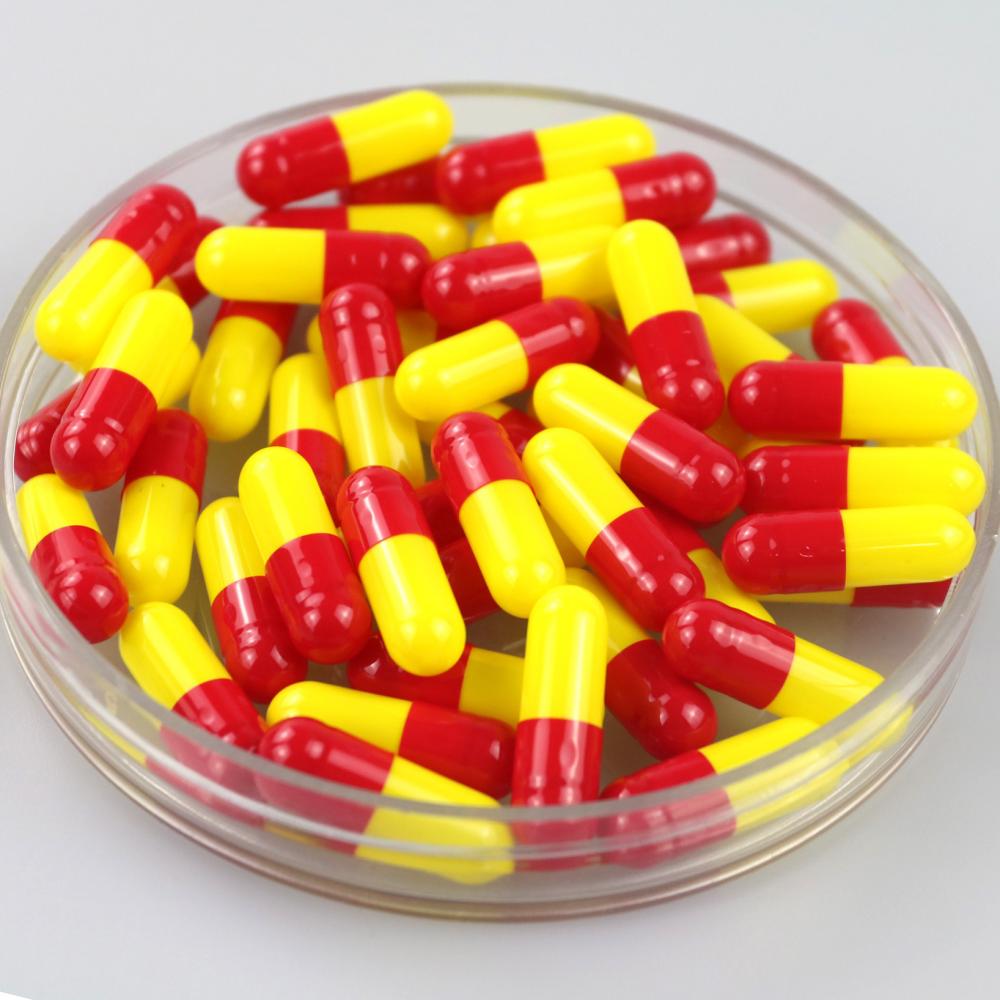
The color and shape of the drug capsule shell play a pivotal role in the medication experience. If pharmaceutical companies can accurately grasp these details and reasonably design capsule shells according to the target groups and efficacy characteristics of the drugs, they can not only improve patients' medication compliance, but also show their care for patients in subtle details, which will help the smooth implementation of drug treatment.