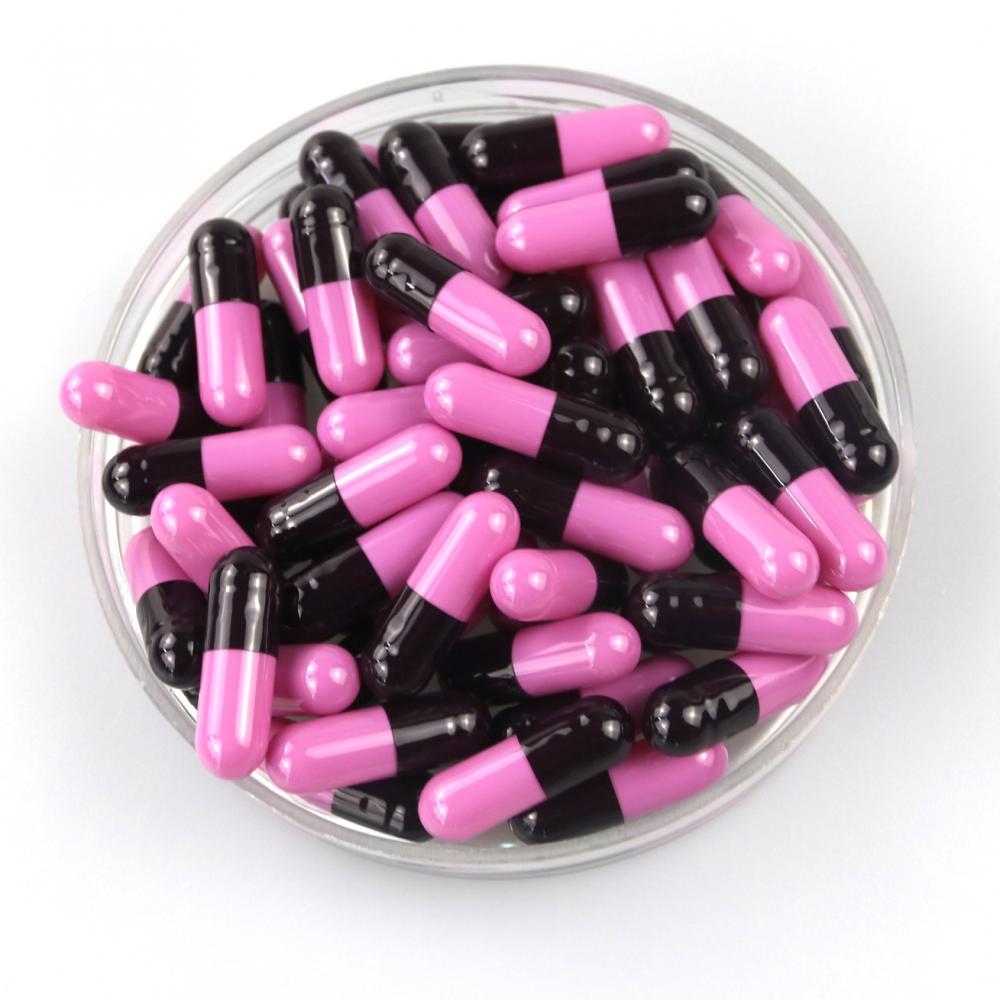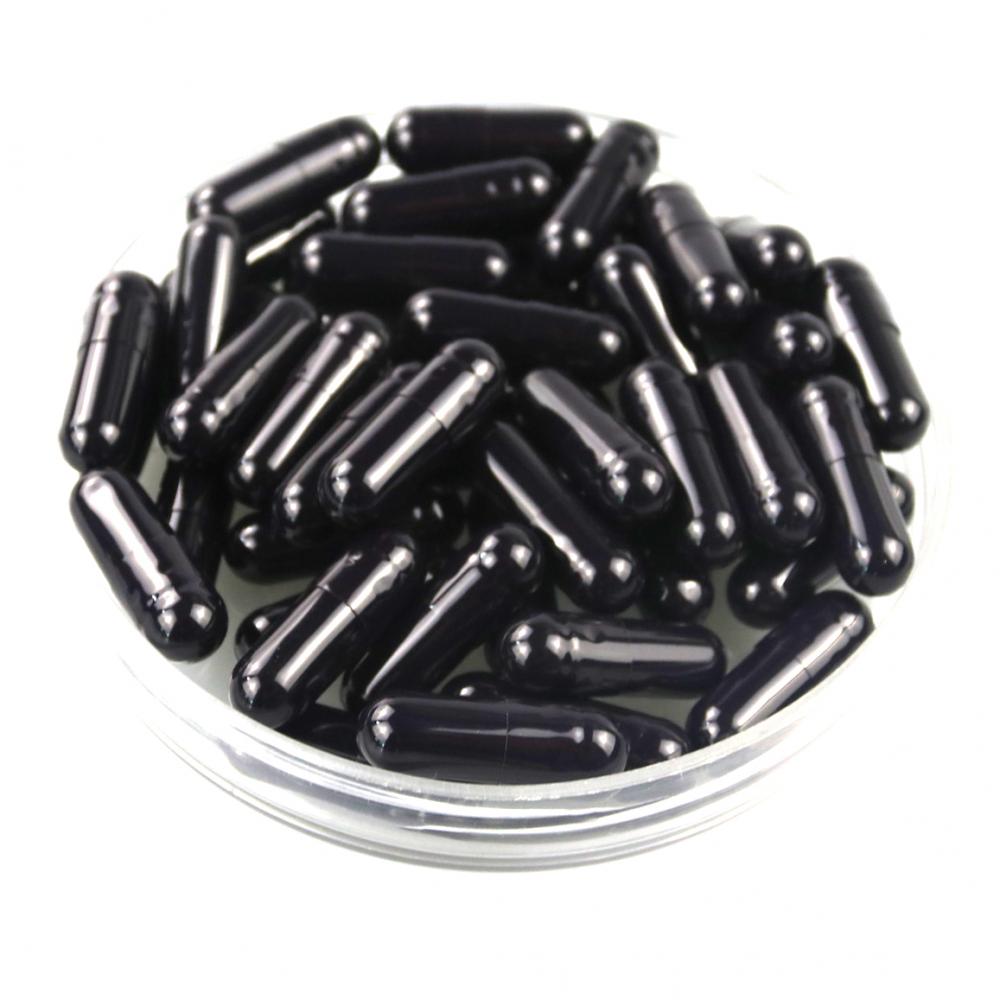
At a time when the concept of health is deeply rooted in people's hearts and environmental awareness is increasingly awakening, the plant-based capsule market is experiencing unprecedented explosive growth. As a strong competitor to traditional gelatin capsules, plant-based capsules have quickly emerged in the capsule industry with their unique advantages in health attributes and environmental protection, becoming a new engine driving the development of the industry.
From a health perspective, the raw materials of plant-based capsules are taken from plant sources such as cellulose, starch, and seaweed. They are natural and pure, avoiding the disease risks that animal-derived gelatin may carry, such as potential hidden dangers such as mad cow disease, and building a solid line of defense for consumers' medication safety and health. This feature has made it widely used in the field of health products around the world. Data shows that in 2023, the global herbal supplements and therapies market will reach US$7,491,725,886.00, and the Chinese herbal supplements and therapies market will reach US$2,622,090,285,000. It is expected that by 2029, the global herbal supplements and therapies market will climb to US$99,471,374,610.00, with an estimated annual compound growth rate of 4.7%. Many of the hot-selling compound herbal nutritional products in the world, such as Nature's Sunshine Pregnancy Herbal Compound Nutrition Capsules, Elderberry Gummies, and HERMAN Organic Seven Days Cleansing Capsules, use plant-based capsules as carriers, which fully demonstrates the adaptability and market recognition of plant-based capsules in the field of health and nutrition.
The rise of the environmental protection wave has also injected strong momentum into the development of plant-based capsules. The production of traditional gelatin capsules relies on raw materials such as animal leather and bones, and the production process is energy-intensive and causes certain pollution to the environment. In comparison, the production process of plant-based capsules is more environmentally friendly, and its plant raw materials are widely available and highly renewable. For example, plant capsules made from hydroxypropyl methylcellulose (HPMC) have minimal negative impact on the environment during production. As global attention to sustainable development continues to increase, more and more consumers tend to choose products with environmentally friendly packaging and carriers when purchasing medicines and health products. Plant-based capsules just fit this consumption trend, and market demand is rising sharply.
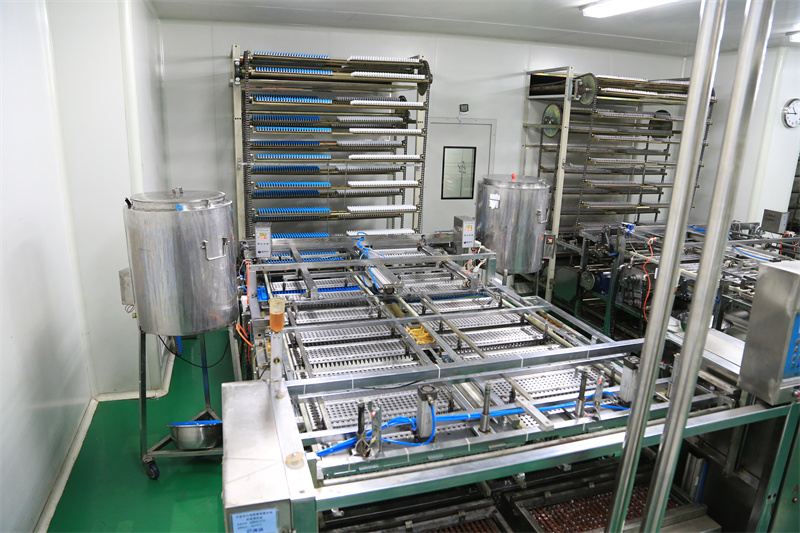
The active layout at the enterprise level is the key factor in promoting the outbreak of the plant-based capsule market. As an industry leader, Shandong Heda has successfully independently developed HPMC plant capsule products based on its raw material advantages in pharmaceutical and food-grade cellulose ethers, achieved large-scale mass production and reached the industry-leading level. In order to further expand the US and surrounding markets, on the evening of December 16, 2024, Shandong Heda issued an announcement stating that it plans to invest in the construction of a 20 billion capsules/year plant capsule project in the United States, with a planned investment amount of no more than 500 million yuan. With its comprehensive advantages in technology, quality and price, the company's products have been exported to countries and regions such as the United States, the United Kingdom, Germany, and France. In the first half of this year, the export revenue reached US$801,710,820.00, a year-on-year increase of 34.47%, accounting for 62.24% of the total revenue, and the export gross profit margin reached 28.31%, higher than domestic sales.
Other domestic companies have also seized the opportunity. On October 9, 2024, the first phase of the Gansu Shandan Plant-based New Material Capsulation Project was officially started. The project is jointly carried out by Dayou Quanjikang (Shanghai) Pharmaceutical Technology Co., Ltd. and domestic top scientific research institutions and upstream and downstream biopharmaceutical companies such as the Chinese Academy of Sciences, the China Academy of Chinese Medical Sciences, and the National Marine Drug Laboratory. After the project is completed, it can produce 40 billion plant hollow capsules annually and achieve an annual output value of US$1,818,313,200.00. In the future, a national rural industrial development integration technology demonstration park integrating gene breeding, plant-based capsules, microcrystalline balls, and brittle burst beads will be built. Relying on local unique Chinese herbal medicine resources such as ginseng and astragalus, a Chinese medicine processing base and a health resort will be built to further extend the industrial chain and promote industrial integration and development.
Although the plant-based capsule market has broad prospects, it also faces some challenges. On the one hand, the performance of some plant-based capsule products still needs to be improved. For example, the disintegration time limit control and moisture-proof performance of some starch-based capsules are somewhat different from those of gelatin capsules. Enterprises need to continue to increase R&D investment and improve production processes. On the other hand, market competition is becoming increasingly fierce. Many domestic and foreign companies have laid out the field of plant-based capsules. How to stand out in the homogeneous competition and create differentiated advantages is an important issue that companies need to think about.
Overall, driven by the two core driving forces of health and environmental protection, the plant-based capsule market has ushered in explosive growth. With the continuous advancement of technology, continuous optimization of product performance and further improvement of market awareness, plant-based capsules are expected to occupy a larger share in the capsule market in the future, lead the new trend of industry development, and contribute more to the sustainable development of the pharmaceutical and health care products industry.