

New breakthroughs in capsule industry research and development: progress in bioavailability and controlled release technology
At a time when medical technology continues to innovate, the capsule industry has ushered in a series of exciting research and development breakthroughs, especially in bioavailability improvement and controlled release technology, which has made significant progress, injecting new impetus into the optimization of drug treatment effects and the improvement of patient medication experience.
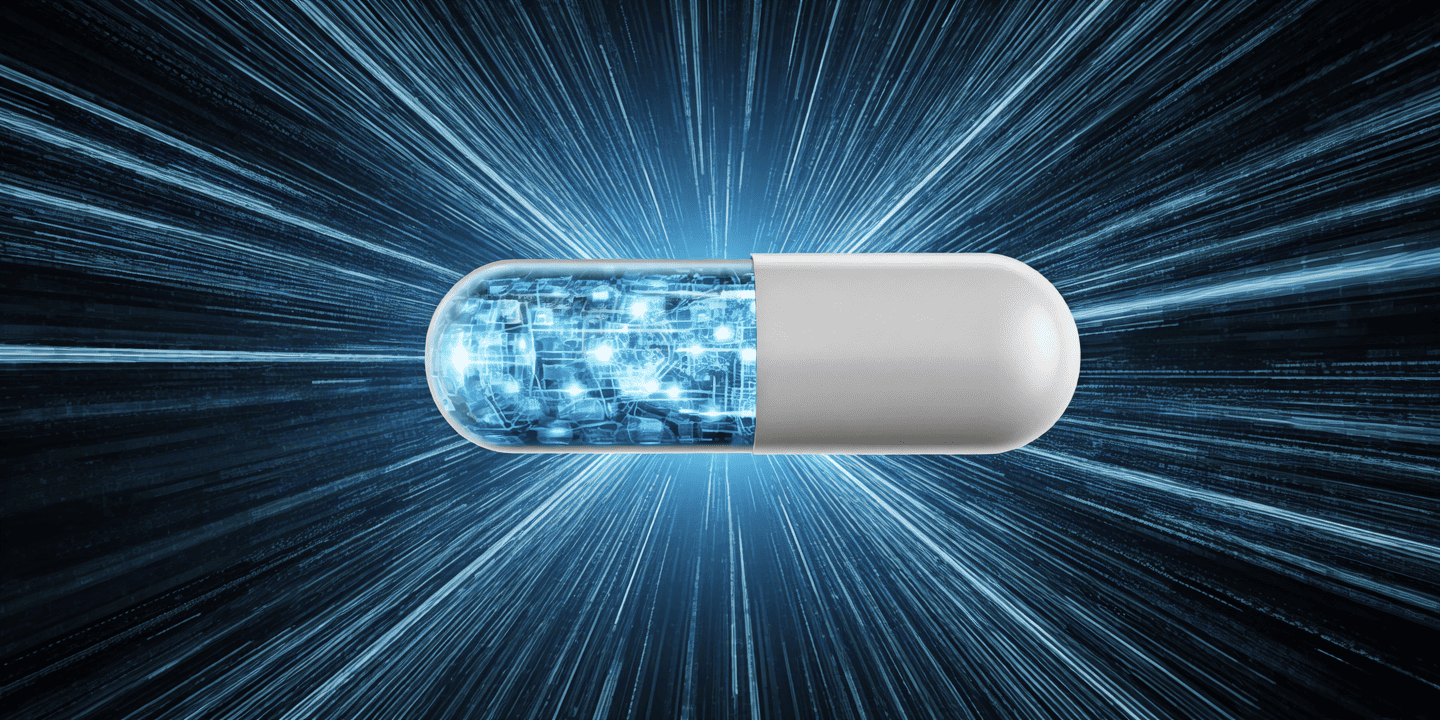
Technological innovation for improving bioavailability
As a key indicator for measuring the degree and speed of absorption of drug preparations in the body, bioavailability has always been a key direction in the field of capsule research and development. In recent years, a number of cutting-edge technologies have emerged, bringing new opportunities for improving drug bioavailability.
The application of nanotechnology in capsule preparations has made significant breakthroughs. By nano-sizing drug particles, the specific surface area of the drug is greatly increased, thereby significantly improving its dissolution rate and absorption efficiency in the body. For example, the achievements made by Shandong Tianyin Biotechnology Co., Ltd. in the research and development of lutein microencapsulation technology are exemplary. Lutein, as a natural plant extract that is extremely sensitive to light, oxygen, and heat, has low bioavailability in the past. Liu Wenlai, technical director of Tianyin Biotechnology, led the scientific research team to successfully overcome the nano-scale lutein microcapsule technology and made lutein into 100-200 nanometer microcapsules, which increased the activity rate of lutein from the original 50% to more than 95% within 3 years. This technology not only improves the stability of lutein, but also significantly improves its bioavailability, allowing lutein-related products to play a greater role in health fields such as eye protection, and also provides valuable reference for the development of other drugs with strict requirements on stability and bioavailability.
In addition, the development and application of new excipients have also contributed a lot to improving bioavailability. Some excipients with special structures and properties can form stable complexes with drug molecules, changing the solubility characteristics and in vivo release behavior of drugs. For example, some cyclodextrin excipients can encapsulate poorly soluble drugs, increase the solubility of drugs in the gastrointestinal tract, promote drug absorption, and thus improve bioavailability. This method of improving drug performance by optimizing excipients provides a simple and efficient way to improve bioavailability without changing the chemical structure of the drug.
Controlled release technology moves towards precision
Controlled release technology aims to precisely control the release time and speed of drugs in the body to maintain the effective concentration of drugs in the body, reduce the number of medications, and improve patient compliance. Today, the controlled release technology of the capsule industry is moving towards a more precise direction.
The research and development of intelligent controlled release capsules has become a highlight. This type of capsule can intelligently adjust the release behavior of drugs according to changes in the body environment, such as pH, temperature, specific enzyme concentration and other signals. For example, pH-sensitive controlled release capsules have been developed to target the differences in pH values in different parts of the gastrointestinal tract. In the acidic environment of the stomach, the capsule remains relatively stable and the drug release is slow; when the capsule reaches the alkaline environment of the intestine, the capsule shell dissolves rapidly to achieve rapid release of the drug, ensuring that the drug takes effect precisely at the site of action, improving the therapeutic effect while reducing the stimulation of the drug to the non-action site.
Pulse controlled release technology has also made great progress. This technology allows drugs to be released in the body in a pulsed manner at preset time intervals, simulating the human body's physiological rhythm demand for drugs. Taking drugs for the treatment of cardiovascular diseases as an example, the risk of cardiovascular diseases in the human body is higher in the early morning hours. Pulse controlled-release capsules can accurately release high doses of drugs during this period to meet treatment needs, while maintaining lower doses of drugs at other times to keep the drug concentration in the body relatively stable, effectively avoiding adverse reactions caused by excessive drug concentrations, and ensuring that the drugs continue to play a therapeutic role.
Profound impact on the industry and patients
These breakthroughs in bioavailability and controlled-release technology have had a profound impact on the capsule industry and the vast number of patients in many aspects.
From an industry perspective, the emergence of new technologies has promoted the upgrading of capsule products, prompting companies to increase R&D investment and enhance innovation capabilities. Companies with advanced technologies will occupy an advantageous position in market competition and drive the entire industry to develop in a technology-intensive direction. At the same time, these technological breakthroughs also provide more possibilities for pharmaceutical research and development, accelerate the development of new drug preparations, and help expand the boundaries of the pharmaceutical market.
For patients, improved bioavailability means that lower drug doses can achieve the same or even better therapeutic effects, reducing the toxic side effects of drugs. Precision controlled-release technology can make drug treatment more in line with individual physiological needs, effectively control the disease and improve the quality of life. For example, for patients with chronic diseases who need to take medication for a long time, controlled-release capsules reduce the number of medications, reduce the risk of forgetting to take medications, and greatly improve treatment compliance.
The capsule industry's research and development breakthroughs in bioavailability and controlled-release technology are bringing new changes to the medical field. With the continuous improvement and widespread application of these technologies, it is expected to bring more efficient, safe and convenient drug treatment options to patients in the future, and promote the medical and health industry to a new height.